Apartment Lease Agreement: Full Guide for Tenants
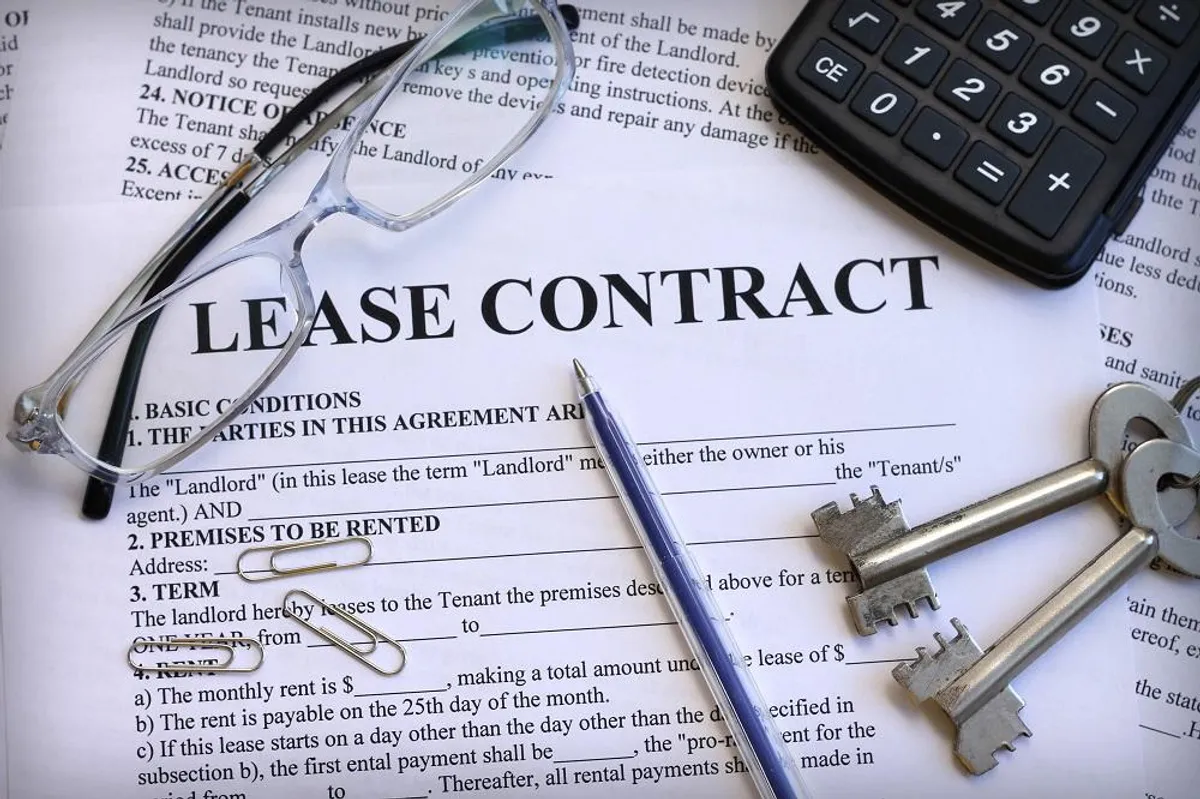
Signing a rental lease agreement can feel confusing, especially if it’s your first time renting an apartment. There are many details, rules, and responsibilities included in the contract, and missing an important part could lead to problems later on. Landlords use lease agreement templates to build out a formal lease and whether you are moving into your first apartment or relocating to a new place, understanding your lease can help protect your money, your rights, and your peace of mind.
A lease agreement is a legal document between a landlord and a tenant. It explains the rules both sides must follow during the rental period. This includes how much rent must be paid, when it is due, how long the tenant can stay, and what happens if either side breaks the agreement. Reading and understanding every part of the lease before signing is one of the smartest things a renter can do.
Why a Lease Agreement Matters
A lease agreement protects both the landlord and the tenant by clearly explaining the expectations for the rental property. When everything is written down, it becomes easier to avoid misunderstandings and settle problems if they happen later.
Rent and Payment Details
One of the most important parts of any lease is the section about rent. This explains how much you need to pay each month, the due date, and the accepted payment methods. Some landlords may allow online payments, while others may require checks or bank transfers.
The lease may also explain late payment fees. If rent is not paid on time, you could be charged extra fees or face legal action. Knowing these rules ahead of time can help you avoid unnecessary stress and expenses.
Lease Length and Renewal Terms
The agreement should clearly state how long the lease lasts. Many leases are fixed for one year, while others work on a month-to-month basis. A fixed-term lease offers more stability because the rent usually stays the same during the contract period.
Renewal terms are also important. Some leases automatically renew, while others require you to sign a new contract or notify the landlord before moving out. Understanding these terms helps you prepare for future housing plans.
Security Deposits and Refund Conditions
Most landlords require a security deposit before you move in. This money is held in case there is damage to the property or unpaid rent after you leave.
Your lease should explain how much the deposit is, what it can be used for, and how you can get it back. Make sure you understand the conditions for receiving a full refund. Taking photos of the apartment before moving in can also help protect you if disagreements happen later.
Rules About Repairs and Property Care
The lease agreement usually explains who is responsible for repairs and maintenance. In most cases, landlords handle major repairs, while tenants are expected to keep the apartment clean and report problems quickly.
It’s also important to check the rules about making changes to the apartment. Some landlords may not allow painting walls, installing shelves, or changing fixtures without permission.
Important Lease Terms and Common Red Flags
Before signing a lease, renters should carefully review all terms and watch for warning signs that could create problems in the future.
Pet Policies and Extra Fees
If you have a pet or plan to get one, check the pet policy carefully. Some apartments only allow certain types or sizes of pets. Others may charge extra fees like pet deposits or monthly pet rent.
Ignoring pet rules can lead to penalties or even eviction, so it’s best to fully understand the policy before moving in.
Early Termination and Moving Out Early
Life situations can change unexpectedly. You may need to move because of work, school, or family reasons. The early termination section explains what happens if you leave before the lease ends.
Some landlords may require a penalty fee or several months’ notice. Others may allow you to find another tenant to take over the lease. Knowing these rules ahead of time can save you from large costs later.
Subletting and Long-Term Guests
Some renters may want to let another person stay in the apartment temporarily or take over the lease. This is called subletting or assignment.
Not all landlords allow this, so check the agreement carefully. Violating these rules could break the lease terms and create legal problems.
Guarantor or Co-Signer Requirements
If a renter has limited income or little credit history, a landlord may require a guarantor or co-signer. This person agrees to take financial responsibility if the tenant cannot pay rent or causes damage.
The lease should explain the responsibilities of the guarantor and what documents are needed.
Red Flags to Watch Out For
Before signing any rental lease agreement, look for warning signs such as unclear language, missing details, unfair penalties, or verbal promises that are not included in writing. If something feels confusing, ask questions before signing.
You should also be cautious if the landlord avoids repairs, refuses to provide copies of the lease, or pressures you to sign quickly without reading the document carefully.
Understanding Your Rights and Responsibilities
As a tenant, you are responsible for paying rent on time, following building rules, keeping the apartment in good condition, and reporting needed repairs. At the same time, landlords must provide a safe living environment and follow the rules stated in the lease.
Both sides have rights and responsibilities, and the lease agreement helps make those expectations clear.
Final Thoughts
A rental lease agreement is more than just paperwork. It is a guide that explains your responsibilities, protects your rights, and helps create a better rental experience. Taking the time to read every section carefully can help you avoid misunderstandings, unexpected fees, and future problems.
Before signing, review the lease slowly, ask questions if needed, and make sure you fully understand every part of the agreement. A little extra time spent reading now can save you from major stress later.