What to Put in the Bottom of a Raised Garden Bed for Best Drainage?
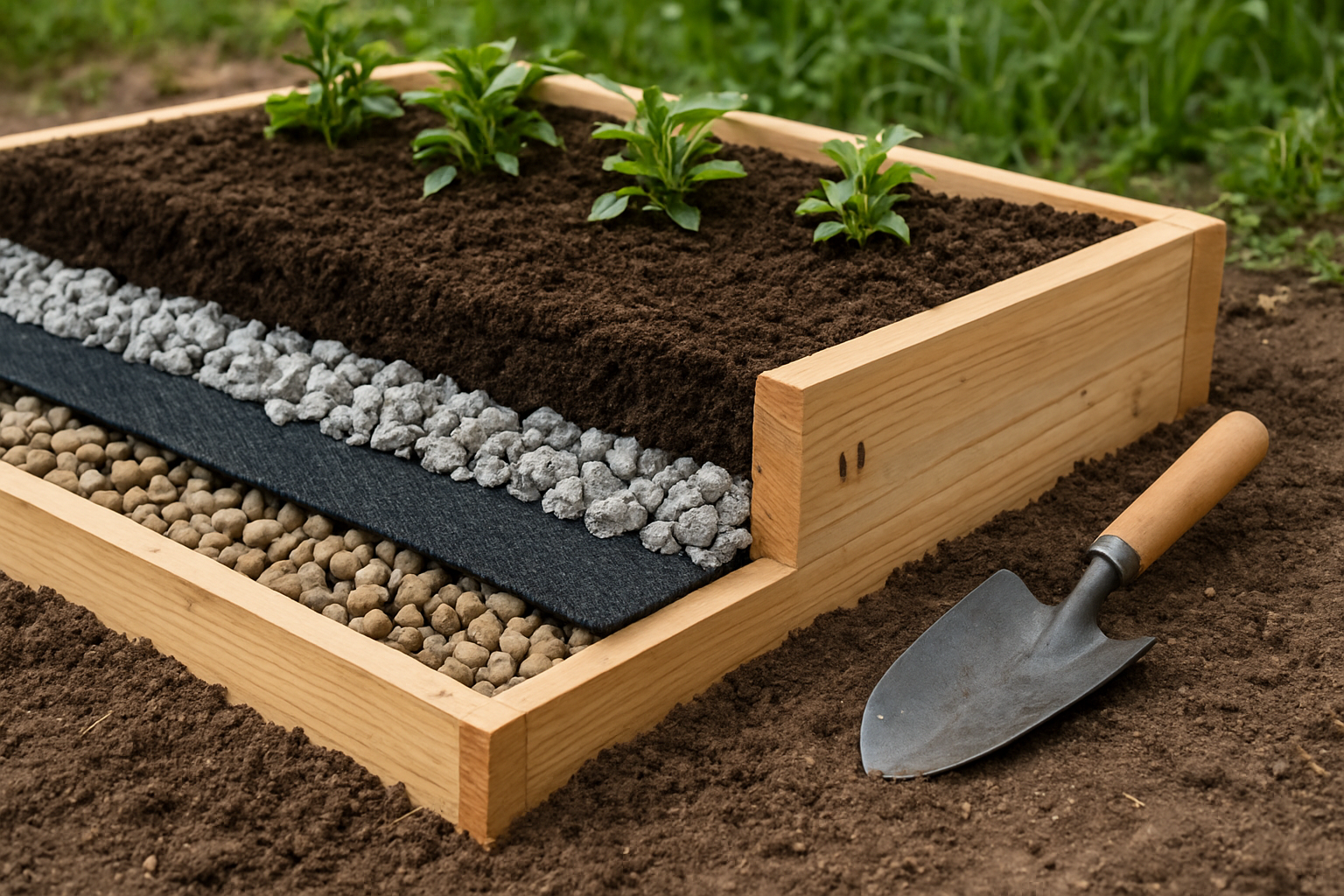
A raised garden bed can enhance plants encourages stronger root systems and improved soil quality, making gardening even easier. But as nice a garden bed as you have, if water does not drain properly, it can lead to a lot of problems. If there is poor drainage, this could cause root rot too; it is not good for the plants and a waste of your work!
The bottom of a raised garden bed is where all of your gardening success begins. Choosing the right materials can contribute to better plant drainage, healthy root growth, and a thriving garden.
Why Drainage Matters?
Your plants have a good supply of water but they also need oxygen around their root. Excess water that stays trapped in the soil can permanently drown roots, so they start to rot.
Good drainage helps:
- Prevent root rot
- Improve soil aeration
- Reduce fungal diseases
- Support healthy plant growth
- Extend the lifetime of your garden bed
Raised beds are also popular among those landscaping in Officer as they provide a means to control soil conditions and drainage.
Start with Cardboard or Newspaper
The most commonly used material in the bottom layer is pure cardboard or newspaper.
They are designed to suppress weeds while letting water through. The material slowly decomposes and enriches the soil.
Steering clear of glossy papers and heavy printing which could be containing unwanted chemicals.
Add Organic Material
The next layer is coarse organic matter, followed up wooden pellets.
Suitable options include:
- Small branches
- Twigs
- Leaves
- Straw
- Untreated wood chips
These materials help with drainage by creating air pockets, and they break down over time to add nutrients back to the soil.
This technique is mostly applied in sustainable gardening projects and it typically works best in larger garden beds.
Use Compost for Nutrient Support
Having some compost on top of the organic matter is a good sign that beneficial nutrients will be available for vegetation to thrive.
Compost improves soil structure and aids moisture balance. It also welcomes beneficial microorganisms that are vital for good soil health.
The trees and shrubs should be planted in a mixture of the best composts you can source, ideally this would have matured for 6 months at least; most of landscaping Noble Park professionals will advise that these soils produce optimum long-term conditions.
Avoid Using Large Rocks
One of the most common garden myths is to put a thick layer of rock or gravel in the bottom of raised beds.
Often times large rocks would actually obstruct the proper flow and cause a perched table. This is known to actually compound drainage problems rather than alleviate them.
Generally, it is advisable to use organic material and firmly processed soil for most raised garden beds.
Choose Quality Garden Soil
The top layer is a good quality garden soil combined with compost and organic matter.
A good soil blend provides:
- Proper drainage
- Moisture retention
- Nutrient availability
- Strong root development
Your actual blend may differ based on what you want to raise, however, balanced soil is the cornerstone of a good crop.
Consider Local Conditions
Climate type and soil will vary according to your specific place, along with the drainage requirements.
For instance, the drainage issues faced by homeowners doing landscaping will likely differ from those doing landscaping in Noble Park projects. Knowing the local conditions helps you realise better results.
You may also find that lifting the garden bed and improving surrounding drainage will help, if your property suffers from heavy rainfall.
Final Thoughts
The base of a raised-bed garden is essential for drainage and plant wellbeing. Are like stacks of cardboard, organics, compost, and good dirt all in one mixture where roots can take root.
Don’t forget about drainage. No matter if you are setting up a vegetable patch or landscaping in Officer to enhance the overall look of your outdoor space, drainage must be a consideration. Given proper planning and a good foundation, raised beds often yield healthier plants and offer rewarding gardening results for years to come.