Why Your Garage Door Reverses Before It Closes?
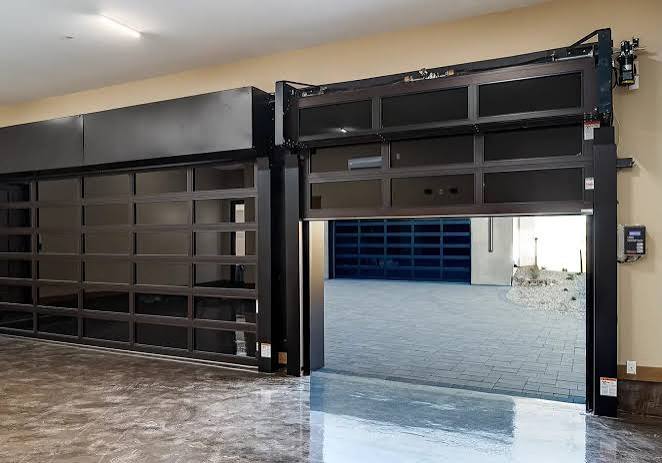
A garage door that begins to close and then reverses suddenly can be annoying. Not only is this inconvenient, it could leave your home vulnerable. The positive side of the problem is that it happens due to few common problems and can be easily identified and resolved.
If the issue persists, you may want to consider scheduling professional garage door repair, as it will allow your home to regain safe and dependable operation before a small flaw actually develops into something larger.
Safety Sensors May Be Blocked
Most new garage doors have photo-eye safety sensors located near the bottom of the tracks. If this sensor senses an object in the path, it prevents the door from being closed.
Dust, leaves, cobwebs, or even direct sunlight can obstruct sensors. More often than not, the issue can be fixed by cleaning the lenses or confirming both sensors are aligned as they should.
Travel Limit Can Be Wrong
Every garage door opener has travel limit settings − a form of programming that the garage door uses to measure how much your overhead door should move when being opened/closed.
With incorrect settings, the opener might think that the door has already reached the ground even before it does. In such cases, the door will reverse rather than closing fully as a safety feature.
This is usually fixed by re-adjusting the travel limits with the manufacturers’ instructions.
Something is Blocking the Door
Any object large enough can stop the door from closing. Examine the surroundings of the garage door and inspect the tracks for anything that might be obstructing.
Look out for:
- Track debris/small rocks
- Bent track sections
- Loose hardware
- Damaged rollers
- Built-up dirt
Removing these blockers may also ensure that the door operates as it should.
Worn Rollers or Tracks
Rollers would wear out; tracks could be broken or misaligned. They make it harder for the door to move, so as a safety measure the opener backs off.
Finding garage door opener replacements for any worn parts in a timely manner and performing routine maintenance can increase performance and eliminate unnecessary strain on the entire system.
The Close Force Needs Adjustment
Garage door openers will reverse when they sense too much resistance closing. If the close-force parameter is very sensitive, the door will reverse even without a real obstruction.
An authorised technician can adjust the setting without compromising safety features’ functionality.
When the Opener is Failing
Older garage door openers can develop electrical or mechanical failures that render them inoperable. If you hear, feel, or smell the motor straining, humming loudly, grinding away, or not functioning properly at all, it might be a symptom that it’s your opener and not anything on the door that is the issue.
In certain situations, a simple garage door repair will be all that is needed. But for older systems that have been repaired many times, a more cost-effective option might be to simply install a more modern opener with better safety features.
Signs of When to Replace
Garage door openers are not meant to last a lifetime. Long story short, if you are experiencing constant failures or spotty service from your appliances or have technology that is simply outdated, it can be time to upgrade.
When you have a professional garage door opener replacement, your new system has better safety sensors, more quietly operating motors, and greater reliability. It can also lower the costs of repairs in the future and ease day-to-day use.
Final Thoughts
Garage doors tend to reverse before closing when something needs attention. Whether it is faulty safety sensors, incorrect travel limits, wearing components, or a failing opener itself, it may be a good sign when you first notice the problem before it’s too late. By regularly maintaining your garage door along with having it serviced by a professional, you can expect years of safely, smoothly, and reliably operating as designed.